

Executive Summary
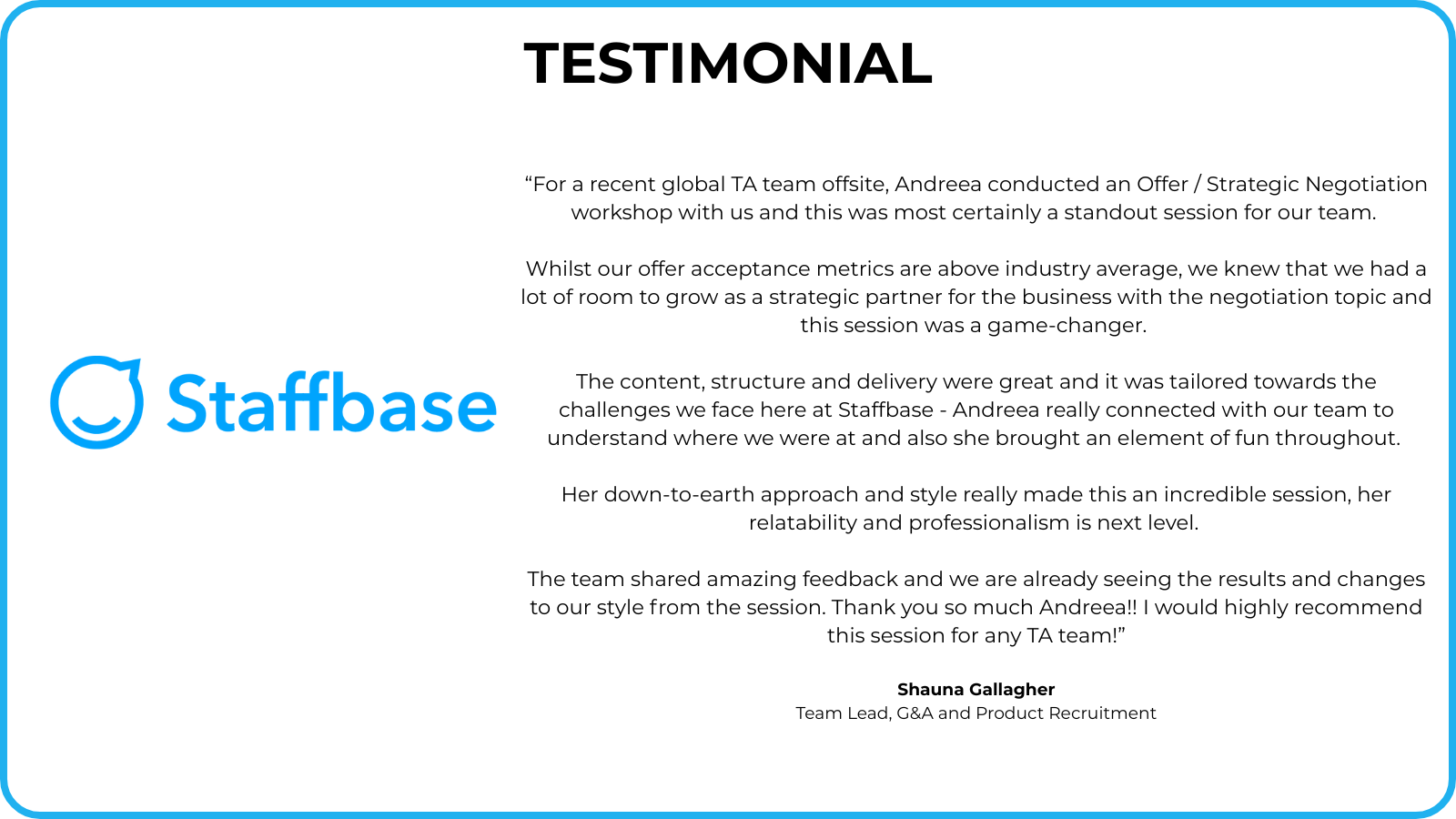
Whilst their offer acceptance rates were above industry average, the team identified an opportunity to build confidence in stakeholder conversations and improve how they positioned compensation throughout the recruitment process.
The training focused on internal negotiation preparation, strategic conversation frameworks, and early intervention techniques.
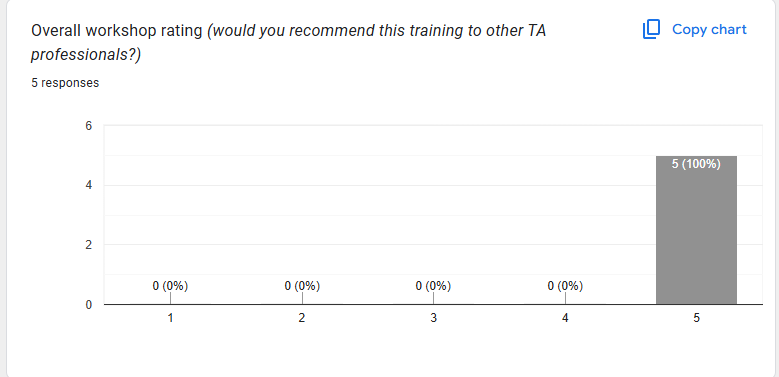
Post-training feedback showed a 100% recommendation rate (NPS 10), with participants committing to immediate implementation of stakeholder mapping, earlier compensation discussions, and more strategic positioning with hiring managers.
Challenge
Staffbase’s TA team was performing well by standard metrics.
Their offer acceptance rates sat comfortably above the typical industry range, and their time-to-hire across different functions was within normal parameters for their market.
However, the team recognised a development opportunity. They wanted to strengthen how they navigated compensation conversations with internal stakeholders.
The specific challenge they identified: most compensation discussions were happening at the offer stage.
Additionally, recruiters felt they could benefit from more structured approaches to presenting total compensation value to candidates.
Key challenges identified:
- Compensation conversations happening late in the recruitment process
- Limited confidence in navigating complex stakeholder discussions
- Unclear frameworks for positioning offers strategically
- Underutilised opportunities to build candidate commitment
Solution
The training programme was designed across three core modules, delivered on-site during the team’s October 2025 offsite.
Module 1: Internal Negotiation Preparation
Rather than starting with candidate-facing tactics, the programme began with internal stakeholder alignment.
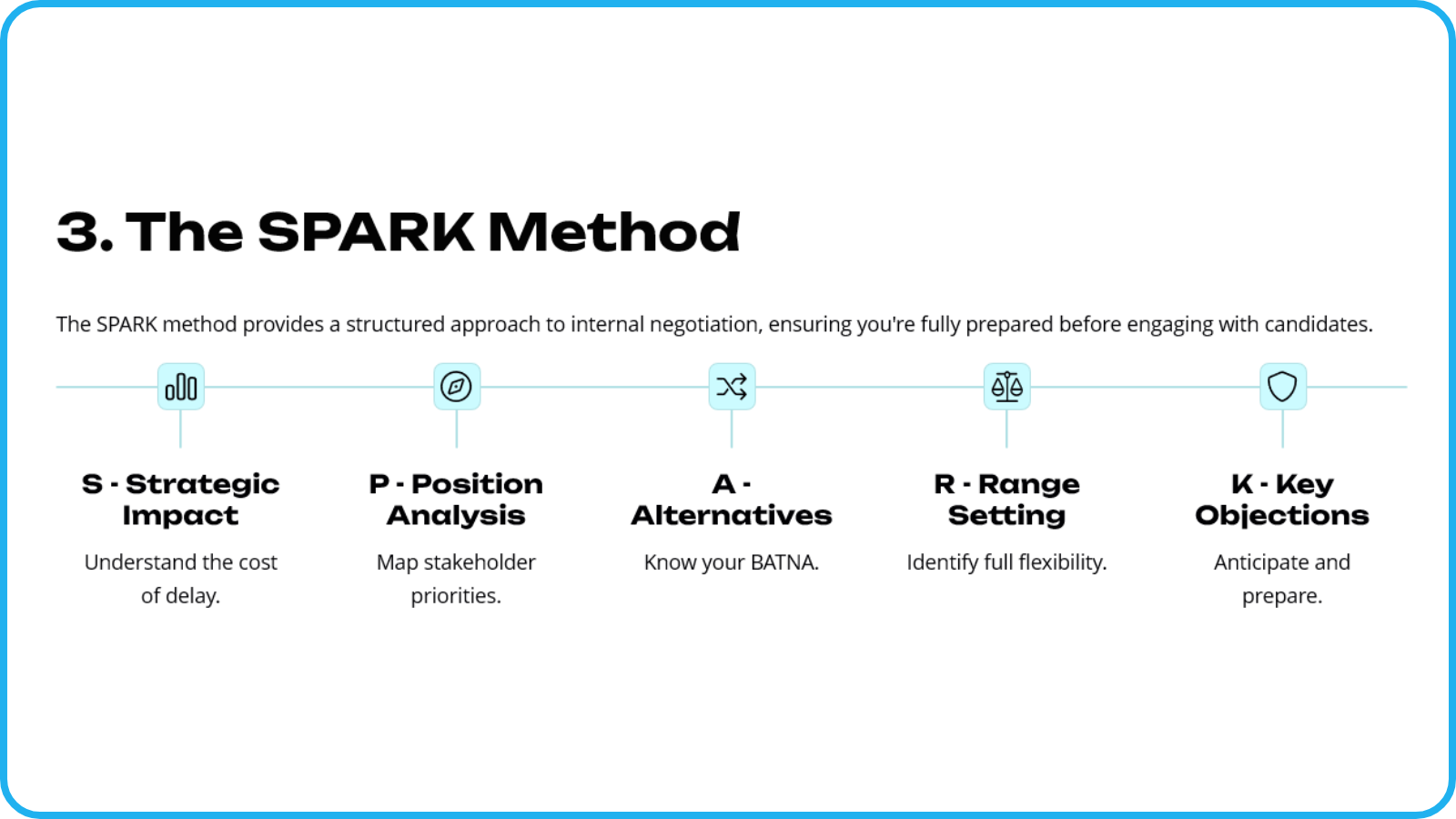
We introduced the SPARK framework to help recruiters map decision-makers, understand constraints, and anticipate objections.
Module 2: Strategic Conversation Frameworks
The second module focused on replacing reactive phrases with strategic positioning and structured conversations.
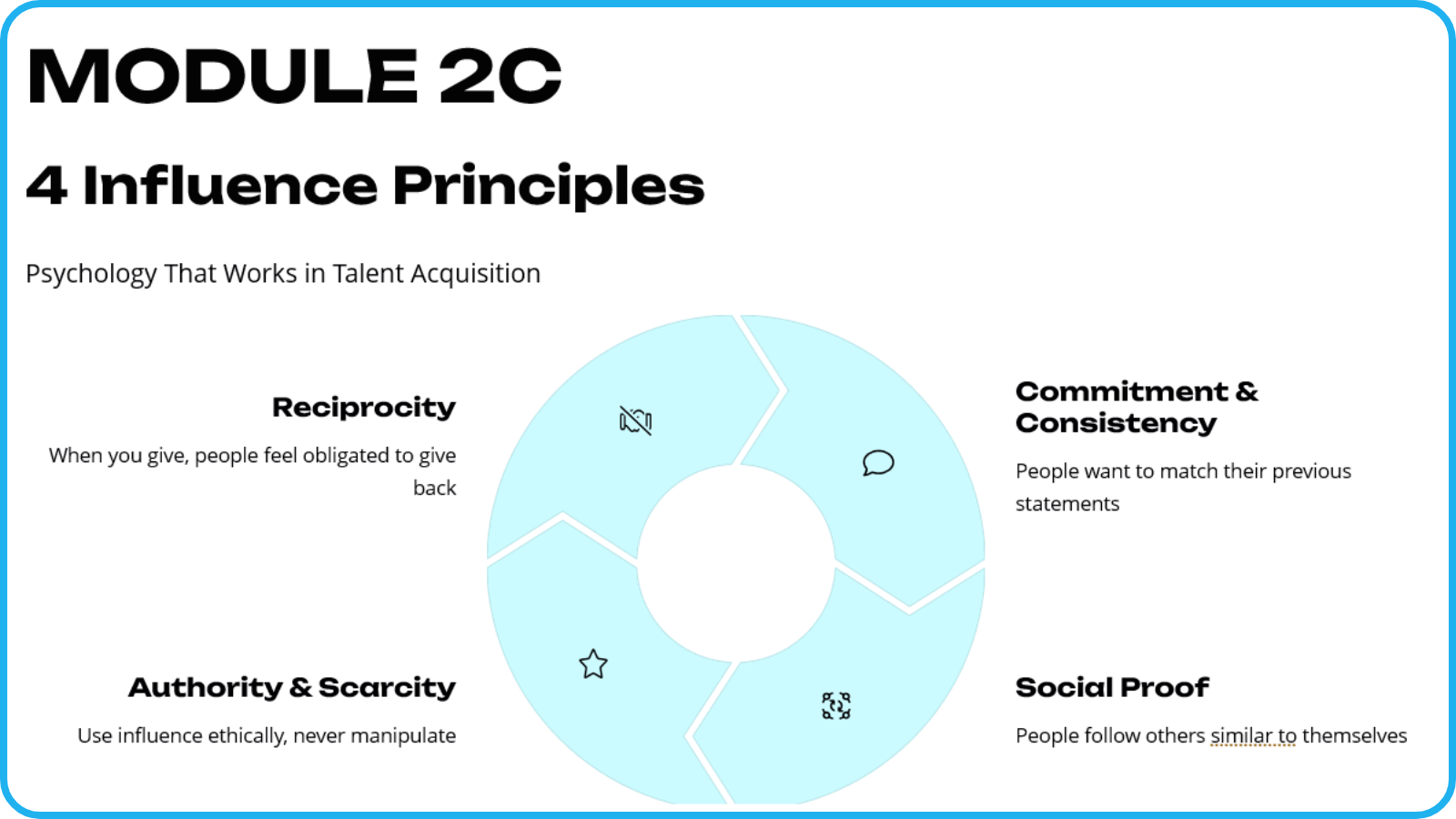
Module 3: Early Intervention and Psychology Principles
The final module covered techniques for building candidate commitment throughout the recruitment process.
Results
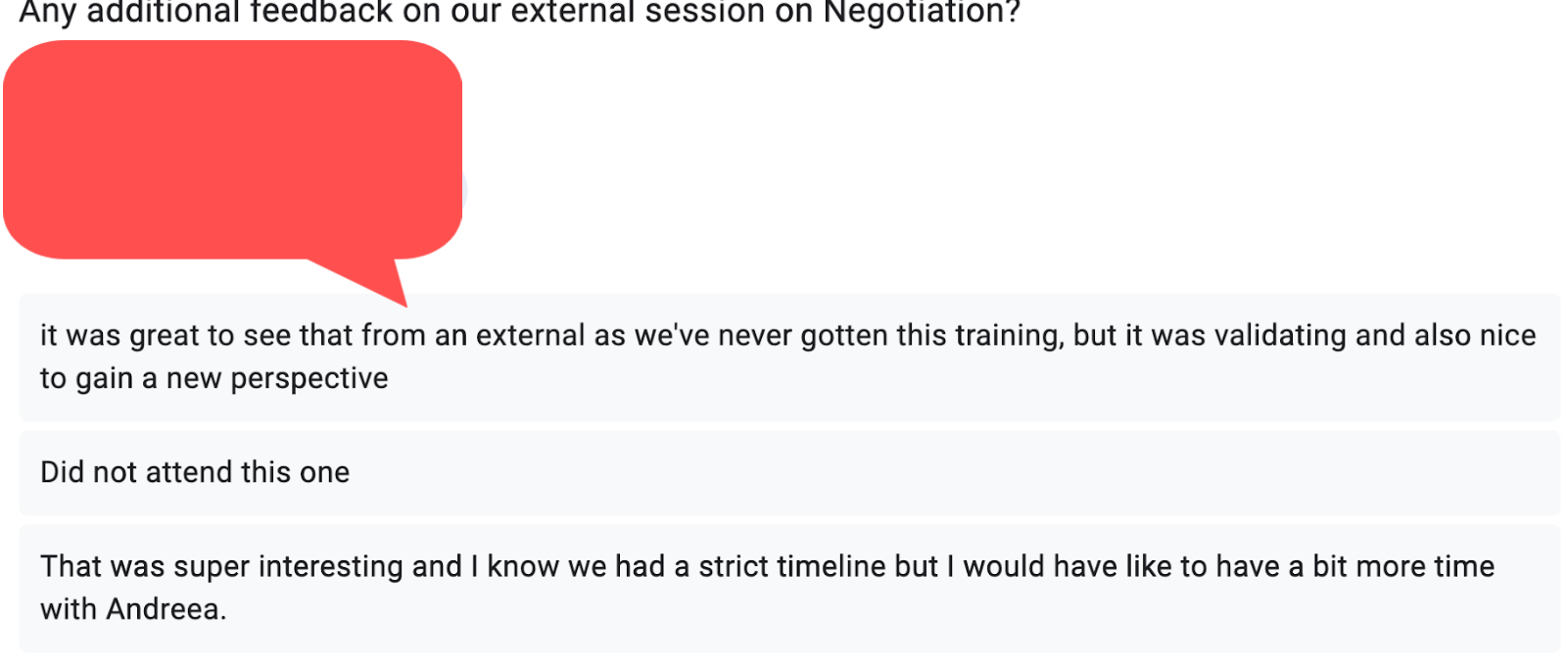
Post-training feedback was gathered immediately following the session.
Recommendation Rate: All participants indicated they would recommend the training.
Most Valuable Module: Responses were distributed across all modules, with psychology techniques receiving the highest votes.
Immediate Implementation Plans:
- “Preparing a talk track better and avoiding delays”
- “Internal negotiation preparation (SPARK method)”
- “Negotiating earlier in the process”
- “Applying the SPARK method consistently”
Impact
The training created immediate capability development in key strategic areas.
- Enhanced Internal Credibility: Structured frameworks improved stakeholder conversations.
- Strategic Salary Positioning: More effective compensation positioning.
- Proactive Pipeline Management: Earlier alignment reduced late-stage issues.
About the Training
- Three-module structure covering strategy and psychology
- Practical exercises using real scenarios
- Reference materials for ongoing use
- 100% participant recommendation rating
Interested in developing strategic negotiation capabilities?
Contact The Principal Recruiter